Fine Art (Drawing & Painting) – Career Opportunities in 2026 and Beyond
Introduction
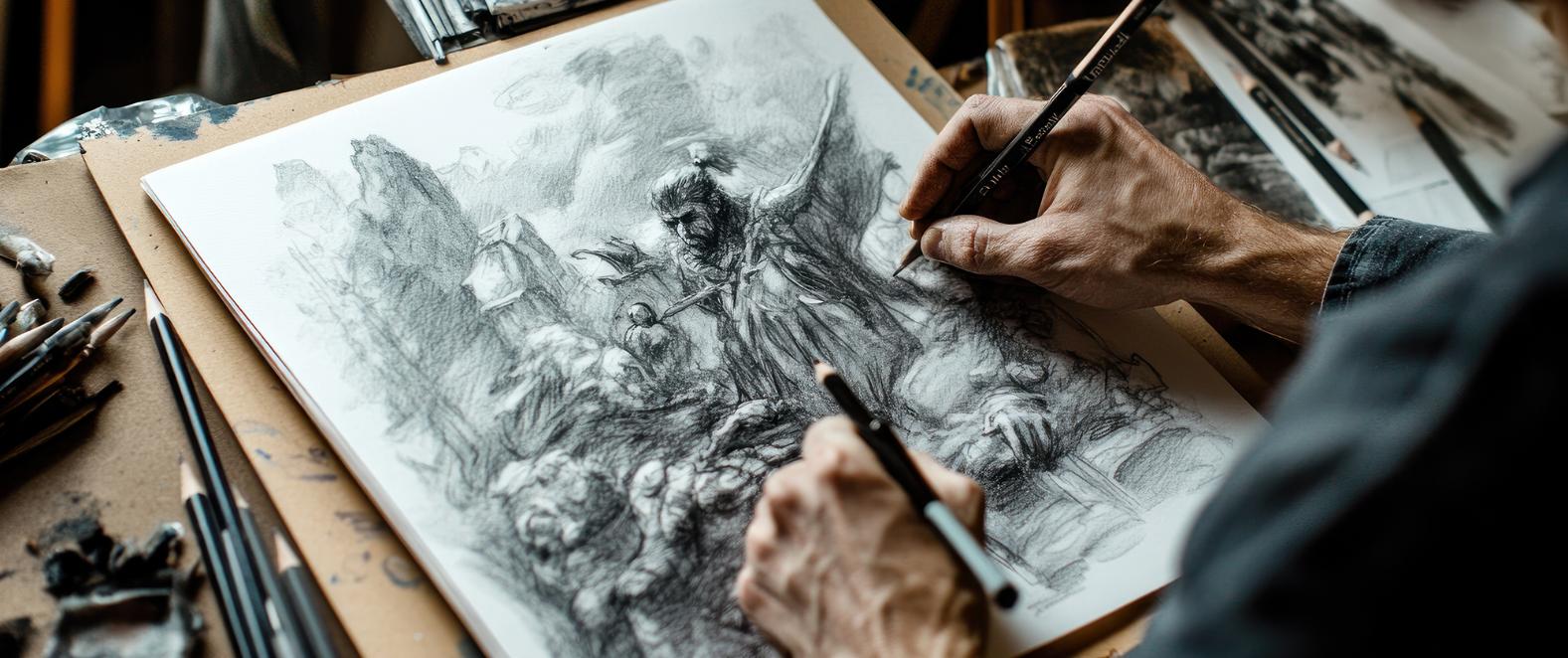
The Fine Art industry is experiencing significant growth as creativity becomes central to digital media, entertainment, branding, and content creation. With the rise of animation, gaming, OTT platforms, advertising, and online marketplaces, Fine Art is no longer restricted to galleries alone. It now spans across multiple industries, offering diverse and lucrative career opportunities for students passionate about drawing, painting, visual storytelling, and artistic expression.
In 2026 and beyond, Fine Art continues to be a powerful form of communication that blends traditional craftsmanship with digital innovation. Students who pursue Fine Art today gain access to a broad spectrum of careers across creative, commercial, and independent artistic domains.
Career Opportunities
Fine Art graduates can pursue numerous creative roles, including:
• Professional Artist
• Illustrator
• Graphic Designer
• Concept Artist (Gaming/Animation/Film)
• Art Teacher / Art Educator
• Gallery Curator
• Set Designer (Theatre, Film, Events)
• Mural Artist
• Art Therapist (with specialization)
• Digital Artist / NFT Creator
• Freelance Art Professional
These roles span across industries such as advertising, publishing, animation, gaming, education, fashion, and digital media.
Salary Overview
Earnings in Fine Art vary depending on skill, creativity, specialization, and portfolio strength.
General earning potential:
• Entry-level artist: ₹2.5 – ₹12 LPA
• Professional artist: ₹30,000 – ₹1,00,000+ per project
• Concept artists & digital illustrators: ₹4 – ₹15 LPA
• Freelancers: Highly variable depending on demand, commissions, and exhibitions
Successful artists often earn significantly more through:
• Online sales
• Exhibitions & commissions
• Murals & large format projects
• Digital & international art sales
Future Scope & Industry Growth
The future of Fine Art is shaping into a dynamic blend of traditional skills and modern digital tools. Key growth drivers include:
• Increasing demand for digital art in gaming, OTT, and social media
• Revival of hand-painted and handmade artwork
• Expansion of online art marketplaces
• Growing interest in murals, installations, and public art
• Global popularity of illustration and digital painting
• Demand for artists skilled in both traditional and digital mediums
Fine Art graduates who embrace technology—such as digital illustration, 3D art, and animation—will stay ahead in the evolving creative industry.
Who Should Choose This Field?
This field is ideal for students who:
• Enjoy drawing, sketching, or painting
• Possess creativity and imagination
• Appreciate visual storytelling
• Are committed to developing artistic skills
• Want a flexible or independent career
• Enjoy experimenting with different mediums
• Have a passion for both traditional and digital art forms
Fine Art provides the perfect balance between creative expression and professional career growth.
FAQs
1. Is Fine Art a good career in 2026?
Yes. Demand for creative professionals in digital media, gaming, advertising, and design is growing rapidly.
2. Do I need excellent drawing skills before joining?
Basic drawing helps, but the program builds skills from the foundation up.
3. Can Fine Art students work in digital industries?
Absolutely. Opportunities include animation, gaming, illustration, graphic design, and digital art.
4. Is freelancing a good option?
Yes. Commission-based work, online marketplaces, and exhibitions offer strong earning potential.
5. What subjects will I learn in Fine Art?
Drawing fundamentals, color theory, composition, painting techniques, art history, and basics of digital art.
6. What is the program duration?
• Bachelor’s degree (BFA): 4 years
• Master’s degree (MFA): 2 years
7. Are exhibitions important?
Yes. Exhibitions help artists build networks, visibility, and sales opportunities.
8. Should Fine Art students learn digital tools?
Yes. Today’s industry values hybrid artists who master both traditional and digital mediums.
Conclusion
Fine Art is a vibrant and evolving field that offers vast opportunities for creative individuals. With a strong foundation in artistic techniques and exposure to modern digital tools, students can explore careers across multiple industries—from animation and gaming to advertising and education. MGM University’s Fine Art program nurtures creativity, enhances artistic confidence, and prepares students for a fulfilling and future-ready career in the creative world.
Author: Rajesh Shah
Assistant Professor,
Leonardo Da Vinci School of Design,
MGM University